Alex
Editor in Chief
The Rising Tide: Unpacking the Billions-Dollar Impact of Extreme Weather Events on the US Economy
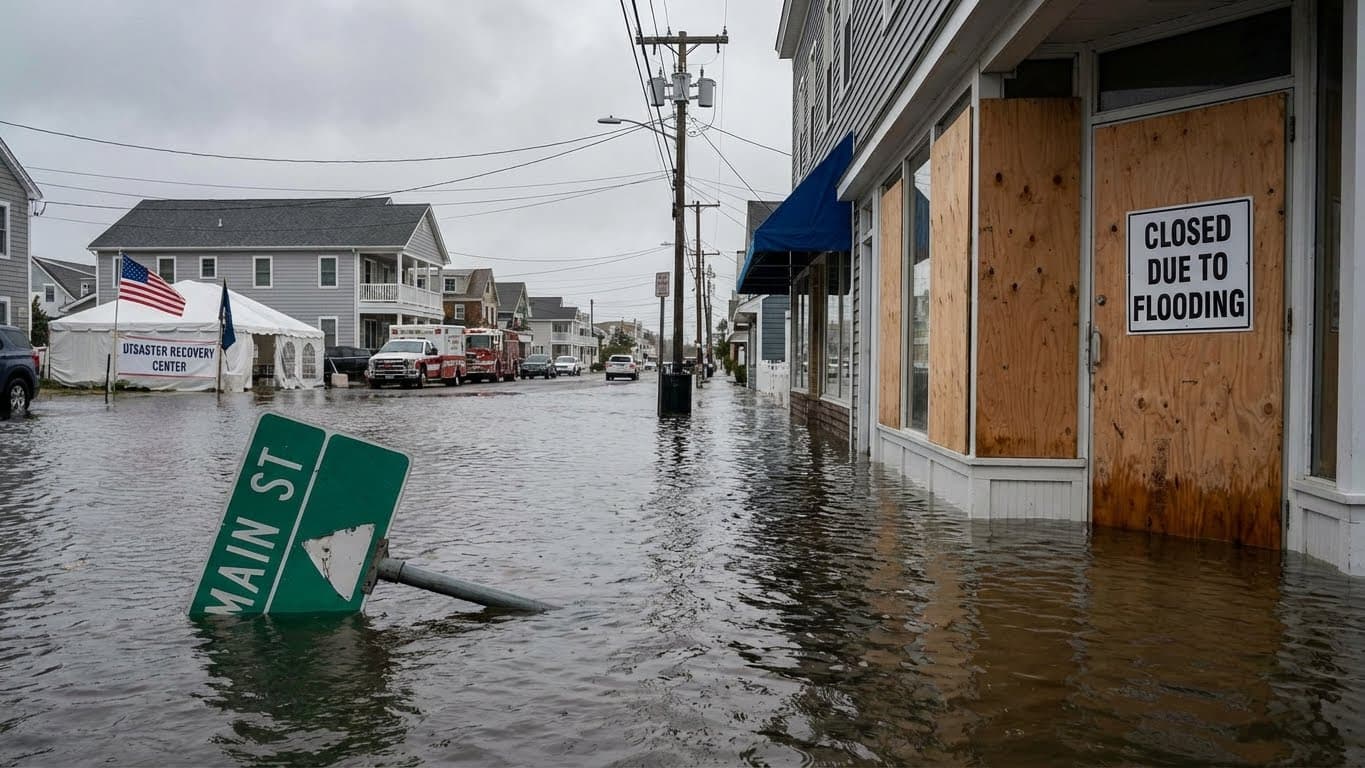
The United States, a nation of vast landscapes and diverse climates, is increasingly grappling with the escalating financial toll of extreme weather events. From scorching heatwaves and devastating wildfires to relentless hurricanes and widespread floods, these climatic phenomena are no longer isolated incidents but recurring threats that inflict profound and multifaceted damage on the nation's economy. The economic repercussions extend far beyond immediate reconstruction costs, permeating every sector from agriculture and infrastructure to insurance and supply chains, posing a significant challenge to long-term growth and stability.
The Escalating Cost of Climate Change: A National Burden
The statistics paint a stark picture of a nation increasingly under siege. From 1980 to 2024, the U.S. has endured 403 confirmed weather and climate disaster events, each exceeding $1 billion in losses, culminating in a staggering total exceeding $2.9 trillion in direct costs. The frequency and financial impact of these events have surged dramatically. Average annual costs quadrupled from $22 billion per year in the 1980s to $99.5 billion per year in the 2010s, further skyrocketing to an average of $149 billion per year during 2020-2024. In a grim testament to this acceleration, 2023 and 2024 alone shattered previous records with 28 and 27 billion-dollar disasters, respectively.
These figures, while immense, represent only the direct costs, such as physical damage to homes, businesses, crops, and critical infrastructure. The true economic burden is far greater when considering indirect and long-term impacts.
Direct Economic Damages: Tangible Losses
Extreme weather events directly obliterate physical assets, leading to immediate and substantial financial losses:
- Infrastructure: Roads, bridges, power grids, water systems, and communication networks are particularly vulnerable. Flooding alone necessitates between $70 billion and $345 billion in infrastructure upgrades for protection. Extreme heat can even cause roadways to buckle, requiring costly repairs.
- Property: Homes and businesses bear the brunt of storms, fires, and floods. A mere one inch of floodwater in a 2,500 square foot home can result in $23,000 in damages. Wildfires cause diminished real estate values and significant property damage, contributing to annual costs ranging from $394 billion to $893 billion.
- Agriculture: Crop losses are a direct and immediate consequence. The 1988-1989 drought, for instance, led to $15 billion in crop losses. Droughts can reduce crop yields by up to 30%, leading to increased prices for consumers. Extreme heat impacts corn yields, causing an estimated $720 million in annual revenue losses, projected to rise to $1.7 billion annually by 2030.
Indirect Economic Impacts: Ripple Effects
Beyond the visible destruction, extreme weather events trigger a cascade of indirect economic consequences that ripple through the economy:
- Supply Chain Disruptions: Damaged infrastructure, power outages, and transportation halts disrupt the flow of goods and services. The U.S. is projected to face a greater rise in weather-induced supply chain disruption over the next 15 years than any other country. This can lead to production interruptions, shortages, delays, and increased costs for consumers. Droughts, for example, reduce agricultural exports and food manufacturing output.
- Labor Productivity and Employment: Extreme heat significantly reduces labor productivity, particularly in outdoor sectors like construction, agriculture, and mining. Current annual losses from heat-related productivity stand at $100 billion, with projections soaring to $500 billion annually by 2050. Wildfires can lead to substantial job losses, with one analysis estimating 466,000 job losses and $89.6 billion in lost economic output.
- Tourism and Recreation: Natural disasters can decimate natural attractions and deter visitors for years, impacting local economies heavily reliant on tourism. Wildfires, for example, not only destroy outdoor areas but also drive away tourists due to smoke, negatively affecting hospitality and restaurant industries.
- Healthcare Costs: Extreme heat is the leading cause of weather-related deaths in the U.S., and healthcare costs associated with rising temperatures are considerable, estimated at $1 billion each summer. Wildfire smoke also contributes to significant health burdens and associated costs.
Long-Term Economic Consequences: Growth and Stability
The persistent and increasing frequency of extreme weather events can have profound long-term consequences for the U.S. economy:
- Reduced Economic Growth: Studies indicate that extreme weather events can reduce industrial production growth, increase unemployment, and raise inflation, particularly through food and energy prices. Hurricanes, for instance, can significantly lower long-term economic growth by depressing productivity and slowing recovery, leading to lasting economic scarring.
- Capital Stock and Consumption Reduction: The cumulative impact of lost productivity and damaged assets can diminish the nation's capital stock. Extreme heat alone is projected to reduce the U.S. capital stock by 5.4% and annual consumption by 1.8% by the year 2200.
- Increased Public Spending and Debt: Governments face immense pressure to fund disaster relief, recovery, and rebuilding efforts, often diverting resources from other essential public services or increasing national debt.
Sector-Specific Vulnerabilities and Impacts
Different sectors of the U.S. economy exhibit unique vulnerabilities to extreme weather, leading to distinct and severe impacts.
Agriculture: Crop Losses and Food Security
The agricultural sector is inherently exposed to weather variability. Droughts, for example, are among the costliest natural disasters for agriculture, averaging $10 to $14 billion in annual losses (in 2018 dollars). They cause lower crop yields, higher production costs, and increased financial stress for farmers, with losses for corn and wheat reaching 20% of production value and soybeans up to 35% in extreme drought conditions. This not only threatens farmers' livelihoods but also impacts national food security and can lead to higher food prices for consumers. A 1% increase in drought in agricultural states can lead to a 0.5% to 0.7% decline in interstate agricultural exports and a 0.04% reduction in food manufacturing output nationally.
Energy Infrastructure: Power Outages and Grid Resilience
Energy systems are critical and highly vulnerable. Hurricanes and severe storms frequently cause widespread power outages, disrupting homes and businesses. The Texas freeze in 2021, though a cold extreme, demonstrated how extreme temperatures can lead to the worst unplanned blackout in U.S. history, halting production and transportation. Ensuring grid resilience against these events is paramount to economic continuity.
Real Estate and Insurance: Rising Premiums and Uninsurable Areas
The real estate and insurance markets are on the front lines of climate change's economic impact. Homeowners insurance premiums are soaring, particularly in high-risk areas. From 2018 to 2022, average homeowners insurance premiums increased 8.7 percent faster than the rate of inflation. In some counties most prone to climate-driven disaster risk, home premiums leaped by 22% in just three years to 2023. This "climate crisis is starting to stir an insurance crisis," with insurers attributing over one in four rate hikes, cancellations, and halts on new business to extreme weather. At least 36 insurers in seven states have paused writing new policies or exited state markets altogether. This trend makes homeownership increasingly unaffordable and, in some cases, renders properties uninsurable, posing significant challenges to property values and regional economies.
Tourism and Recreation: Disrupted Seasons and Lost Revenue
From ski resorts facing less snow to coastal towns battered by hurricanes, the tourism and recreation industry suffers significant economic losses. Wildfires can devastate natural parks and wilderness areas, deterring visitors and impacting local businesses like hotels, restaurants, and retail. The economic ripple effect can be prolonged, as damaged ecosystems take years to recover.
Quantifying the Impact: Key Statistics and Trends
The sheer scale of the financial damage underscores the urgency of addressing extreme weather impacts:
- Total Billion-Dollar Disasters: The U.S. has experienced 403 billion-dollar weather and climate disasters since 1980, costing over $2.9 trillion.
- Record-Breaking Years: The average number of billion-dollar disasters per year jumped from three in the 1980s to 19 events annually over the last 10 years, with 2023 and 2024 seeing 28 and 27 events respectively.
- Costliest Events: Tropical cyclones have caused the most damage, exceeding $1.3 trillion since 1980, with an average cost of $22.8 billion per event. Notable examples include Hurricane Katrina ($190 billion), Hurricane Harvey ($151.3 billion), and Hurricane Ian ($112.9 billion).
- Flooding Costs: Annually, flooding costs the U.S. between $179.8 billion and $496.0 billion, equivalent to 1-2% of U.S. GDP in 2023.
- Wildfire Costs: Wildfires in the U.S. impose annual economic costs and damages ranging from $394 billion to $893 billion, representing 2-4% of U.S. GDP.
Strategies for Economic Resilience and Mitigation
Building economic resilience against extreme weather events requires a multi-pronged approach involving proactive investment, adaptive practices, and robust policy frameworks.
1. Investing in Resilient Infrastructure
Prioritizing and funding infrastructure designed to withstand future climate shocks is crucial. This includes:
- Upgrading existing infrastructure: Fortifying power grids, enhancing drainage systems, constructing sea walls and levees, and building roads and bridges with climate change in mind.
- Developing new sustainable infrastructure: Projects that integrate environmental, social, and economic considerations from planning to decommissioning. Investing in climate-resilient infrastructure yields substantial returns, with every dollar invested generating approximately four dollars in benefits by preventing losses and ensuring continuity of services. This also boosts investor confidence, attracts new businesses, and creates jobs in construction and engineering.
2. Adaptive Agricultural Practices
Farmers can adopt strategies to mitigate the impact of droughts and extreme heat:
- Drought-resistant crops: Shifting to varieties that require less water or are more tolerant to high temperatures.
- Water conservation techniques: Implementing efficient irrigation systems and water management practices.
- Diversification: Reducing reliance on single crops or livestock that are highly vulnerable to specific weather conditions.
3. Enhanced Disaster Preparedness and Response
Improving early warning systems, evacuation plans, and rapid response mechanisms can significantly reduce human and economic losses. This involves:
- Advanced forecasting: Utilizing better meteorological data to predict severe events with greater accuracy.
- Community education: Empowering individuals and businesses with knowledge and resources for preparedness.
- Strategic stockpiling: Ensuring critical supplies are available before, during, and after a disaster.
4. Innovative Insurance and Financial Mechanisms
The insurance sector needs to evolve to meet the challenges posed by a changing climate:
- Risk-informed pricing: Accurately reflecting climate risks in premiums to incentivize mitigation and adaptation efforts.
- Government-backed programs: Strengthening and expanding programs like the National Flood Insurance Program (NFIP), while addressing its long-term sustainability.
- New financial products: Developing innovative insurance products and financing mechanisms that support climate resilience.
5. Policy and Regulatory Frameworks
Strong government leadership is essential to drive systemic change:
- Climate-conscious zoning and building codes: Enacting and enforcing regulations that promote resilient construction in vulnerable areas.
- Incentives for green investments: Offering tax breaks or subsidies for businesses and homeowners who invest in climate-resilient upgrades.
- Cross-sector collaboration: Fostering partnerships between government agencies, private industry, academia, and local communities to develop comprehensive resilience strategies.
Conclusion
The economic impact of extreme weather events on the U.S. economy is undeniable and growing. As climate change continues to intensify, these disruptions will become more frequent, severe, and costly, threatening not only our financial well-being but also our societal stability. Ignoring these escalating costs is no longer an option; the price of inaction far outweighs the investment required for resilience.
It's time for a concerted national effort. Businesses, policymakers, and communities must collaborate to implement robust adaptation and mitigation strategies. By investing in resilient infrastructure, adopting sustainable practices, and fostering innovative solutions, we can build a more secure and prosperous future for the United States, safeguarding our economy against the inevitable challenges of a changing climate.
What steps will your community or organization take to build economic resilience against extreme weather? Share your thoughts and join the conversation for a more resilient America.
About Alex
Alex is a dedicated contributor to AmericanPulse, focusing on trending and modern American life. They have over 5 years of experience covering the US market.